Hand Painted Clothing Where Art Meets Craft
Hand painted clothing sits at the intersection of art, textile craft and garment design. Unlike a printed surface, it carries the trace of the artist’s hand, making each brushstroke part of the finished piece. Yet the painting is only one layer. Fabric, silhouette, embellishment and construction must work together so the artwork belongs naturally to the garment. At Rondooz, this approach extends further through One of One and strictly numbered pieces, antique Gobelin textiles, hand-applied details and a closely directed artistic process. The result is wearable art created not simply to be worn, but to be viewed, collected and remembered.
What Makes Hand Painted Clothing Different?
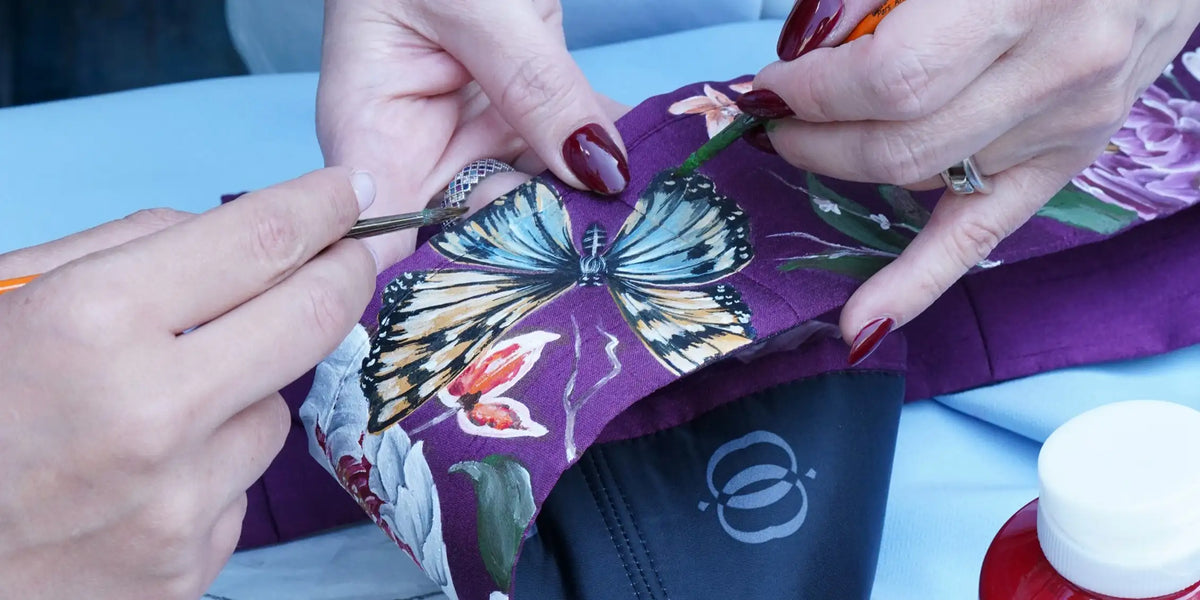
Art begins with a direct relationship between the artist and the textile. Instead of transferring a fixed image onto fabric, the artist works directly on the surface. Pressure changes. Edges shift. Colour settles differently. These subtle variations become part of the finished piece’s character.
The artwork must respond to the garment’s construction. A motif may follow a sleeve, extend across a seam or occupy a carefully selected area of the body.
This process brings two disciplines together in one object. Painting provides visual expression, while garment construction gives the artwork its physical form.
Explore Ready to Wear
Loading the collection...
When Does a Garment Become Wearable Art?
Hand painted clothing can move beyond surface decoration when the artwork becomes integral to the identity of the piece. The question is no longer simply whether a garment has been painted. It is whether the painting, material and silhouette have been conceived as one composition.
At Rondooz, R.G. oversees the creative process from the first concept to the final execution. In some cases, R.G. creates the initial painting or reference artwork personally. Artists trained under her direction then interpret the work according to the established visual language and techniques of Rondooz.
This process maintains a clear artistic direction while preserving the individual quality of hand execution. Each artist still works directly with the textile, allowing the physical act of painting to remain visible in the finished work.
From an Idea to a Painted Surface
The creative process often begins before a brush touches the fabric. A concept establishes the visual language first. The garment becomes the next stage of expression in hand painted clothing.
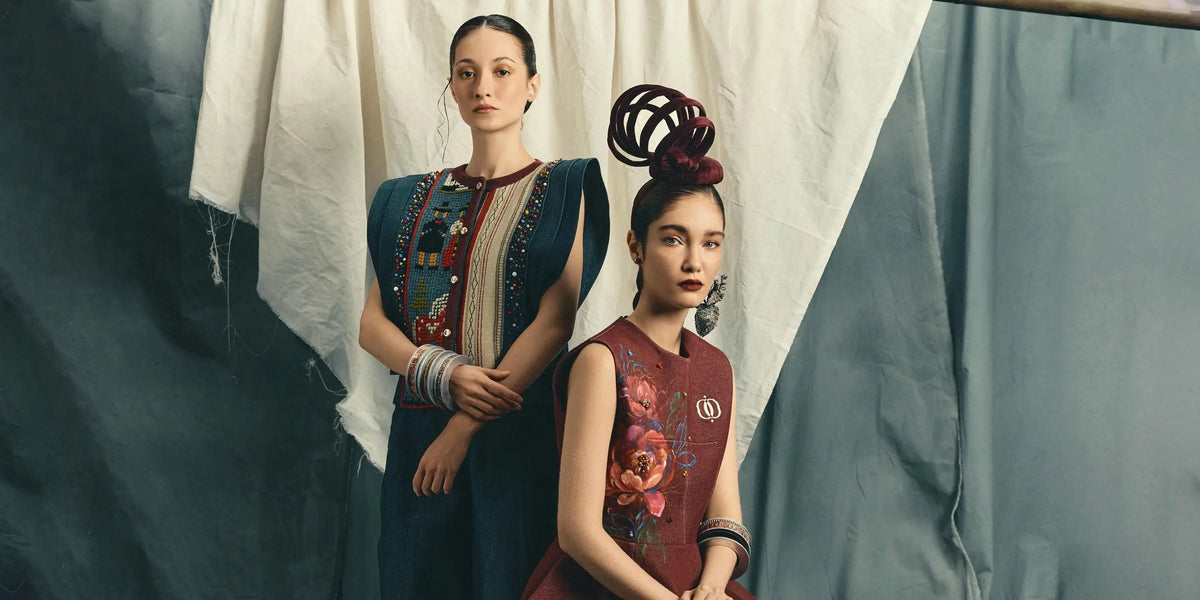
Metamorphosis in Bloom offers a clear example. The capsule began with the idea of transformation and renewal in nature. Botanical forms, the movement of flowers and gradual shifts in colour informed the artistic direction. These ideas moved from concept to painting and then into the structure of the pieces.
In hand painted clothing, the artwork does not simply arrive at the end as decoration. It grows from the same creative idea that shapes the garment itself.
Why One of One Changes the Meaning of Hand Painting
Hand painted clothing becomes particularly distinctive when the artwork exists only once. A One of One piece does not rely on repetition to establish its identity. Its value comes from the combination of authorship, material and individual execution.
At Rondooz, One of One pieces are created once and are not repeated. Each creation receives a hand-signed certificate of authenticity assigned to its sole owner. This document records the piece’s provenance and recognises its singular existence.
The finished piece of hand painted clothing therefore retains the marks of its own making.
Can Limited Editions Still Be Unique?
Limited Edition hand painted clothing offers a different relationship between consistency and individuality. The overall composition remains defined across the numbered run, but the hand-painted execution introduces natural variation.

Dress — Rosalie illustrates this distinction. The piece uses gabardine with hand-painted textile pigment and hand-applied stone embellishment. Its composition is produced in a strictly limited run of 50 pieces worldwide, with each piece individually numbered. The design remains consistent, yet no two paintings are exactly alike. Differences in brush pressure, edges and colour placement create subtle variations from one piece to another.
This makes hand painted clothing different from a conventional reproduced surface. The design may belong to an edition, but the physical act of painting gives every individual piece its own character.
Where Antique Textiles Meet Hand Painted Art
The relationship between hand painted clothing and material becomes even richer when historic textiles enter the process. Antique Gobelin panels can carry their own colours, imagery, texture and signs of age. They already contain a visual history before they reach the atelier.
Rondooz uses selected antique Gobelin panels within some pieces, particularly across Metamorphosis in Bloom. The capsule combines these revived textile fragments with hand-painted and hand-embellished work, bringing elements from another century into wearable form.
This creates a layered composition. The historic textile provides one visual language. The new painting introduces another. The garment then gives both a new physical context.
When Craft Becomes Part of the Art
The surrounding craftsmanship determines how the artwork is experienced.
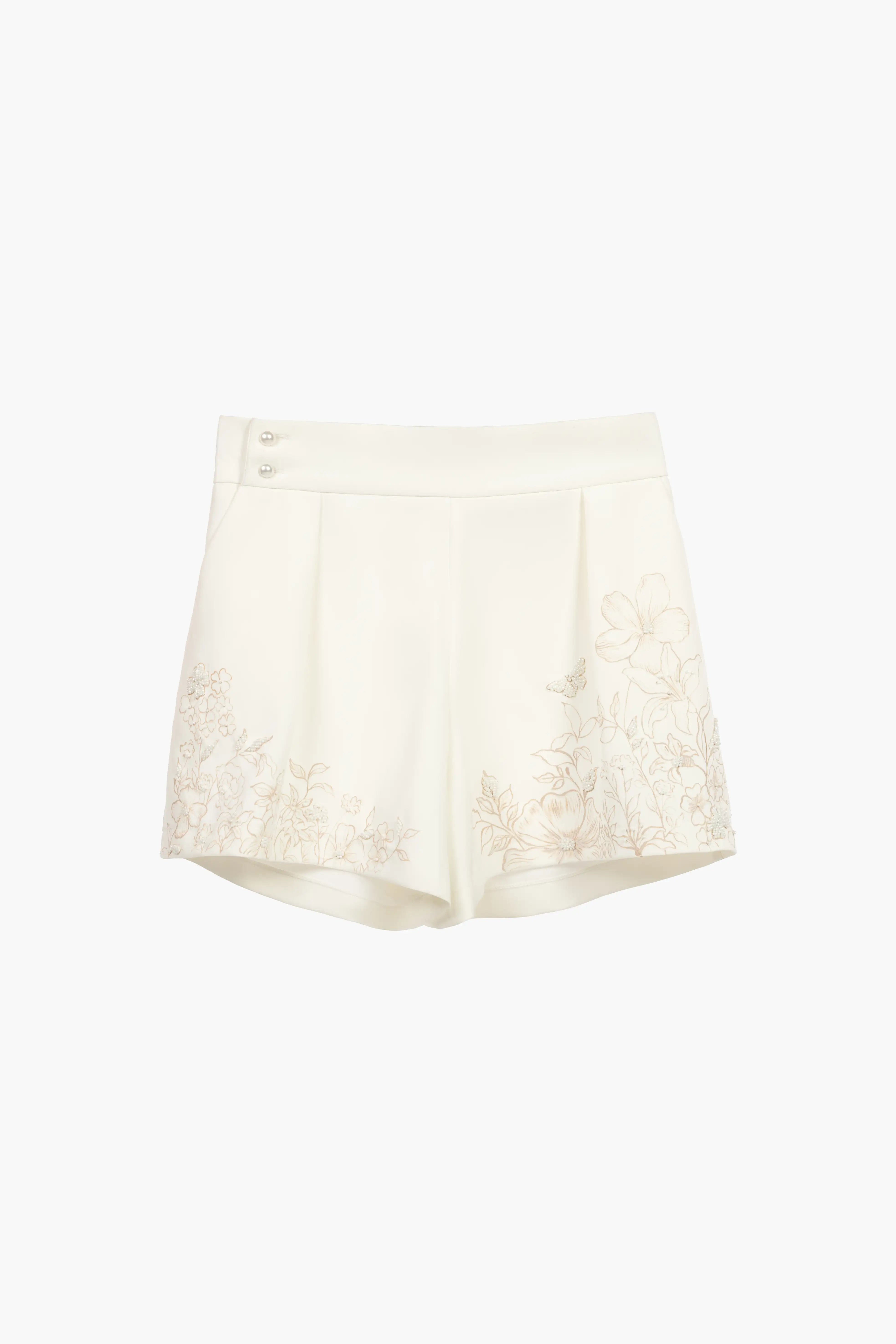
At Rondooz, hand-applied stones can sit alongside painted areas. Textile choice also affects how the pigment appears, how light moves across the surface and how the piece behaves when worn. Construction, placement and finishing therefore become part of the artistic process.
This is where craft and art stop functioning as separate stages. The painter considers the fabric. The garment structure influences the composition. Embellishment adds another layer of texture.
The result is an artwork whose medium happens to have a wearable form, which is central to the language of hand painted clothing.
Why Hand Painted Clothing Appeals to Collectors
For collectors, this form of artistic clothing offers something standard reproduction cannot provide: evidence of human authorship within a functional object.
The brushwork remains visible. Material choices remain specific. Small differences preserve the memory of the making process. With One of One pieces, provenance adds another layer through individual numbering and a hand-signed certificate of authenticity.
This creates a different relationship between wearer and artwork. The owner acquires a piece with a defined creative history and a specific place within the Rondooz body of work.
For stylists and collectors, that distinction can make the piece more expressive. The garment carries its own visual identity before styling enters the picture.
Read More: How a Timeless Capsule Brings Clarity to Personal Style
More Than a Garment, More Than an Artwork
The strength of hand painted clothing lies in the conversation between disciplines. Painting brings the artist’s gesture. Textile gives the artwork a surface with its own character. Construction creates the form. Embellishment adds tactile depth. Provenance gives the finished piece a lasting record.
At Rondooz, these elements are developed as part of one artistic process rather than treated as separate decorative details. A piece may bring together hand-painted artwork, antique Gobelin, hand-applied embellishment and a carefully considered silhouette. Some are produced as numbered Limited Editions, while others are created as One of One works.
The result is not simply a garment with artwork added to it. The artwork, materials and craftsmanship are developed alongside one another, giving the finished piece a place between art and wearable form.
Frequently Asked Questions
Is hand painted clothing unique if it is part of a Limited Edition?
How is hand painted clothing different from printed clothing?
Can hand painted clothing be considered wearable art?

Written by Marzieh Alemi