Article: How to Choose a Maxi Dress for Any Occasion
How to Choose a Maxi Dress for Any Occasion
A maxi dress can look quite different depending on its cut, fabric and detailing. Some styles work well for everyday wear, while others are better suited to formal occasions. The length is only one part of the decision; the shape of the dress and the way it is made also affect how it looks on the body. Embroidery and other embellishments bring further variety, particularly for those who appreciate wearable art and the craftsmanship behind a garment.
Explore Ready to Wear
Loading the collection...
What Is a Maxi Dress?
A maxi dress is a full-length dress that typically reaches the ankles or floor. Its defining feature is its length rather than its shape, sleeve style or level of formality. Therefore, it can take many forms, from a simple summer dress to an elaborate evening gown.
Designers use different fabrics and silhouettes to create distinct effects. Lightweight cotton and linen suit relaxed settings, while satin, velvet and other fluid fabrics often lend themselves to more formal designs. Meanwhile, embroidery, beads and crystals can introduce texture and visual interest.
The right choice depends on the intended occasion, the desired fit and the overall character of the design.
Maxi vs Midi Dresses: What Is the Difference?
The main difference between maxi and midi dresses lies in their length. A midi dress generally falls between the knee and ankle, often reaching the middle of the calf. In contrast, a maxi dress usually extends to the ankles or floor.
A midi dress shows more of the lower legs, whereas a maxi dress falls further down the body, creating a different overall look. The length alone, however, does not make a dress suitable for casual or formal occasions. Much depends on the fabric, how the dress is made and the details used to finish it.
Rondooz’s midi dresses vary in design and character. Ivory Bloom Veil, Rosalie and Sovereign Butterfly each bring a different look to this length.

These designs demonstrate how a midi length can accommodate different visual identities. They also highlight an important distinction: length defines the category, while artistic direction gives each garment its individual character.
Explore the Different Types of Maxi Dresses
Maxi dresses vary considerably in shape, construction and purpose. Understanding the main styles makes it easier to identify designs that suit different occasions and preferences.
Not all maxi dresses look alike. Some have a simple, straight cut, while others feature fuller skirts, fitted waists or detailed finishes. These differences are worth knowing when choosing a dress for a particular occasion.
-
A-Line Maxi Dresses
A-line dresses follow the upper body before gradually widening towards the hem. This shape creates movement without adding excessive volume around the waist. It suits a wide range of occasions, depending on the fabric and finish.
The silhouette of a maxi dress can change its entire character. Some designs have a clean, understated look, while others rely on volume, draping or carefully shaped seams. The following styles offer different approaches to shape and movement.
-
Wrap Maxi Dresses
A wrap dress brings definition to the waist through overlapping fabric panels, typically fastened with a tie or belt. The adjustable fastening allows some flexibility in how the dress sits. Meanwhile, the diagonal lines across the body give the design a distinctive shape without requiring a heavily structured bodice.
-
Slip Maxi Dresses
Narrow straps, minimal detailing and fluid fabric are characteristic of the slip dress. Satin and other fabrics with a soft sheen can give it an elegant finish, although the overall effect depends on the cut and material. For evening wear, it can look refined with delicate jewellery. Simpler versions also work well with understated daytime styling.
-
Empire-Waist Maxi Dresses
In an empire-waist design, the waistline sits above its natural position, just below the bust. From there, the skirt falls freely towards the hem. This creates a longer-looking line through the lower body and offers an alternative to styles that define the waist more closely.
-
Mermaid Maxi Dresses
Unlike flowing A-line designs, a mermaid silhouette follows the body's contours before flaring out near the hem. This contrast between a fitted upper section and a wider lower skirt gives the dress its dramatic profile. Seam placement, fabric weight and the shape of the flare all influence how the mermaid silhouette looks and moves.
-
Pleated and Tiered Maxi Dresses
Texture and volume take centre stage in pleated and tiered designs, although each achieves a different effect. Pleats create repeated folds within the fabric, adding rhythm and movement as the wearer walks. Tiered dresses, by contrast, are built from horizontal sections of fabric that create layers and fullness. Lightweight materials tend to give both styles a softer appearance, while more structured fabrics can produce a stronger silhouette.
-
Elegant, Casual and Long-Sleeve Styles
These categories describe different aspects of a dress rather than separate silhouettes.
Elegant maxi dresses often feature refined cuts, luxurious fabrics or intricate embellishment. They suit formal dinners, evening receptions and special celebrations.
Casual maxi dresses prioritise comfort and ease. Relaxed cuts, breathable fabrics and simple detailing make them practical for everyday wear and holidays.
Long-sleeve maxi dresses offer additional coverage and can suit both formal and casual settings. Their suitability for cooler weather depends on the fabric, lining and overall construction.
A single design can combine several characteristics. For example, an A-line dress may also have long sleeves and elaborate embellishment.

How to Choose a Maxi Dress for Different Occasions
The occasion provides a useful starting point when choosing a dress. However, the venue, dress code and expected degree of formality also matter.
For everyday wear, consider cotton, linen or other comfortable fabrics. Simple silhouettes and minimal detailing can create an effortless appearance. For holidays, lightweight materials and flowing shapes offer ease of movement.
Wedding guests and formal event attendees may prefer more structured designs or refined fabrics. Satin, velvet and intricate embroidery can add depth without relying on excessive decoration. For evening receptions, crystal embellishment or carefully placed beadwork can create a more striking finish.
When attending a formal event, check the dress code before choosing a design. Consider the venue and practical requirements, including the hemline, footwear and freedom of movement.
Find the Right Fit for Your Height and Body Shape
The most suitable silhouette depends on personal preference, proportions and the intended effect. The following suggestions offer useful starting points rather than strict rules.
Choosing by Height
-
Petite heights:
High-waisted and empire-waist designs can create the appearance of longer legs. A streamlined silhouette may also create visual continuity. Choose a hemline that works with your footwear and does not drag along the floor.
-
Average heights:
Wrap dresses, A-line cuts and straight styles are all worth considering. The best choice depends on how the waist sits, how much volume the skirt has and where the hem falls.
-
Taller heights:
Many silhouettes can work well, including slip, tiered and mermaid styles. Consider the actual garment length and how its proportions relate to your frame.
Choosing by Body Shape
-
-
Pear-shaped bodies: A-line skirts and more detailed bodices can create visual balance between the upper and lower body.
-
-
-
Hourglass figures: Wrap and fit-and-flare designs can highlight a defined waist while following the body's natural proportions.
-
-
-
Rectangle-shaped bodies: Belted styles and structured waistlines can introduce definition. Pleats and tiered skirts can also add volume.
-
-
-
Inverted triangle shapes: A-line and tiered skirts can introduce more volume around the hips, creating a balanced overall silhouette.
-
-
-
Apple-shaped bodies: Empire-waist designs and softly draped fabrics can provide a flowing fit around the midsection. Wrap styles may also work well, depending on their construction.
-
Ultimately, fit matters more than a body-shape label. The fabric, seam placement and individual cut all affect how a garment sits and moves.
How to Style a Maxi Dress with Confidence
The way a maxi dress looks can change considerably with the accessories you choose. If the dress has a simple cut, you have more room to experiment with jewellery or a statement bag. With heavily embellished designs, keeping the rest of the outfit understated often works better.
For a daytime look, flat sandals, delicate jewellery and a roomy bag are practical choices. When dressing for the evening, try a pair of heels or elegant flats, finished with a clutch and a few well-chosen pieces of jewellery.
A jacket or wrap can also make a difference. A tailored jacket gives the outfit a sharper look, whereas a lightweight wrap adds a relaxed touch. Pay attention to the length and fit of each layer so that it sits well with the dress rather than hiding its shape.
When choosing accessories, look at the dress as a whole. Colours, fabrics and decorative details can all help you decide what works well with it.
What Makes an Embellished Maxi Dress Special?
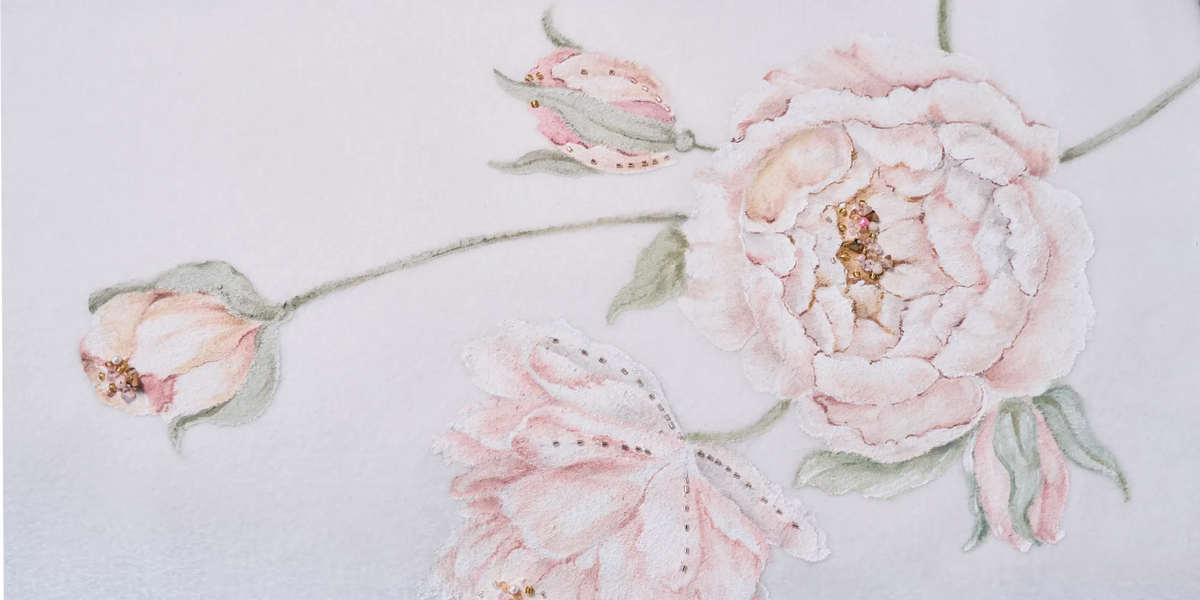
Embellishment introduces another level of detail through materials, texture and craftsmanship. Techniques such as embroidery, beadwork, crystal application and appliqué can change how a garment catches light and interacts with movement.
These techniques differ from printed patterns. Instead of relying solely on colour or imagery across a fabric's surface, embellishment adds physical elements that create depth and texture.
The result depends on the placement, materials and execution. Small details can provide subtle definition, while elaborate decoration can establish a strong visual focal point. The underlying silhouette remains important, as it determines how the embellishment appears when the garment moves.
For formal occasions, embellished designs can offer an expressive alternative to simpler eveningwear. Their suitability depends on the event, the dress code and the overall composition.
One of One and Limited Edition at Rondooz
Some maxi dresses stand out through their cut or fabric, while others draw attention to the details and craftsmanship behind their design. At Rondooz, this approach reflects the idea of Fashion as Art, bringing together distinctive textiles, artistic elements and carefully considered details.
Every One of One piece at Rondooz is different. The choice of materials, the artwork and the details used in its creation give each garment a look of its own. No two pieces are intended to be identical.
Limited Edition designs, on the other hand, are produced in a defined quantity. Each design retains its identity while remaining available in a limited number of pieces.
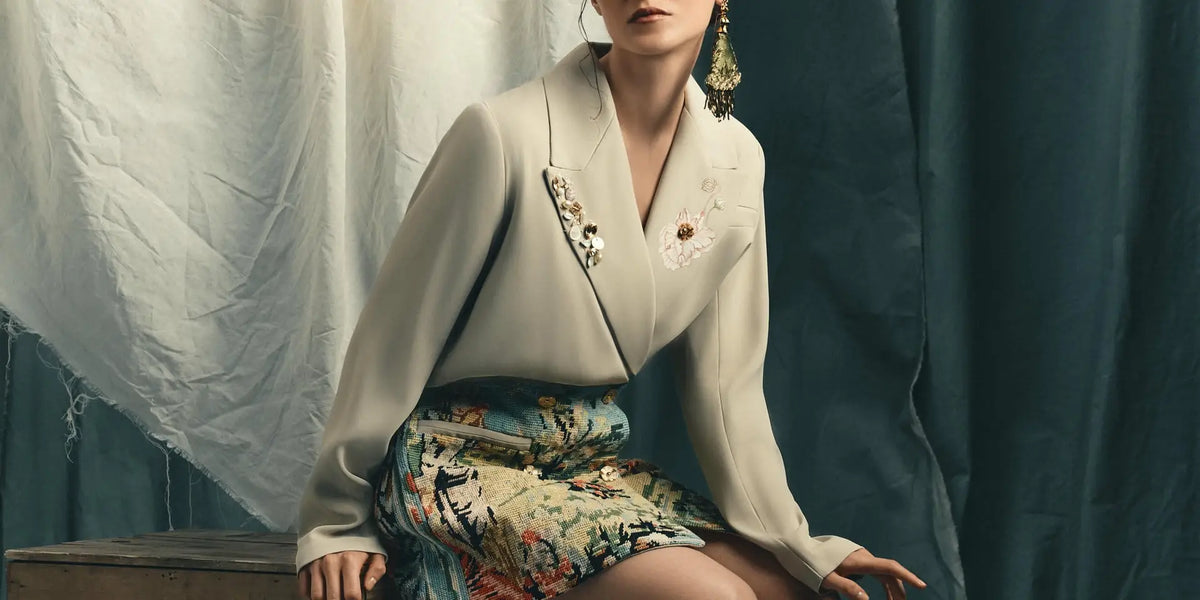
An antique Gobelin tapestry, an original painting or a handcrafted detail can give a garment a distinctive appearance. How these elements work with the fabric and the overall design also influences the way the piece looks and moves.
For those who appreciate clothing as a form of art, these details can be just as important as the silhouette itself. The choice of textile, the skill involved in its execution and the way each element comes together all contribute to the character of the finished piece.
Frequently Asked Questions
What Is the Difference Between a Maxi Dress and a Midi Dress?
Can You Wear a Maxi Dress to a Formal Event?
What Shoes Should You Wear with a Maxi Dress?

Written by Marzieh Alemi