The Legacy and Influence of Vogue and Vanity Fair in Shaping European Fashion
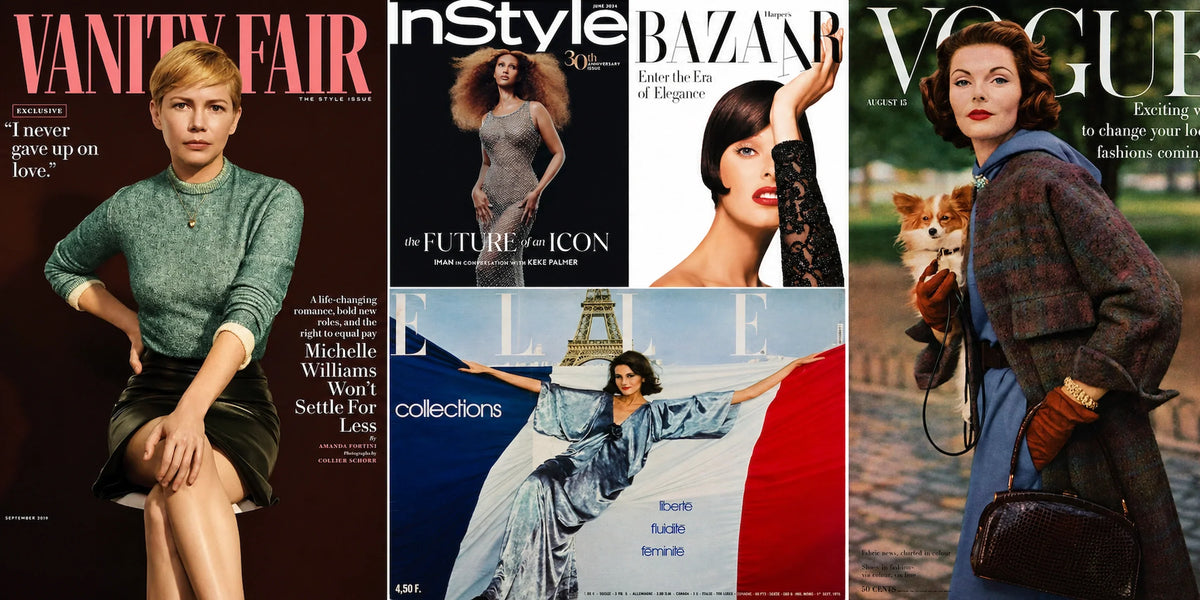
Fashion, before it was an industry, was a whisper passed between capitals. Paris lived the fabric, and the world waited only for news of it. It was war, strangely, that gave that whisper a printed voice. When the First World War severed the sea lanes between New York and Europe, Condé Nast could no longer ship Vogue across the Atlantic, and so, in 1916, British Vogue launched as the magazine’s first international edition. It was less an expansion than an inheritance: fashion’s American observer, for the first time, found itself inside Europe’s own house.
Four years later, the house that mattered most opened its doors fully. In 1920, Condé Nast started the French edition, for the world had come to need the caress of Paris. From that moment, Vogue stopped merely reporting on European couture and began to breathe with it; its pages became the antechamber through which Chanel, and later a generation of storied ateliers, walked into the world’s imagination.
Eyes That Chose the Light
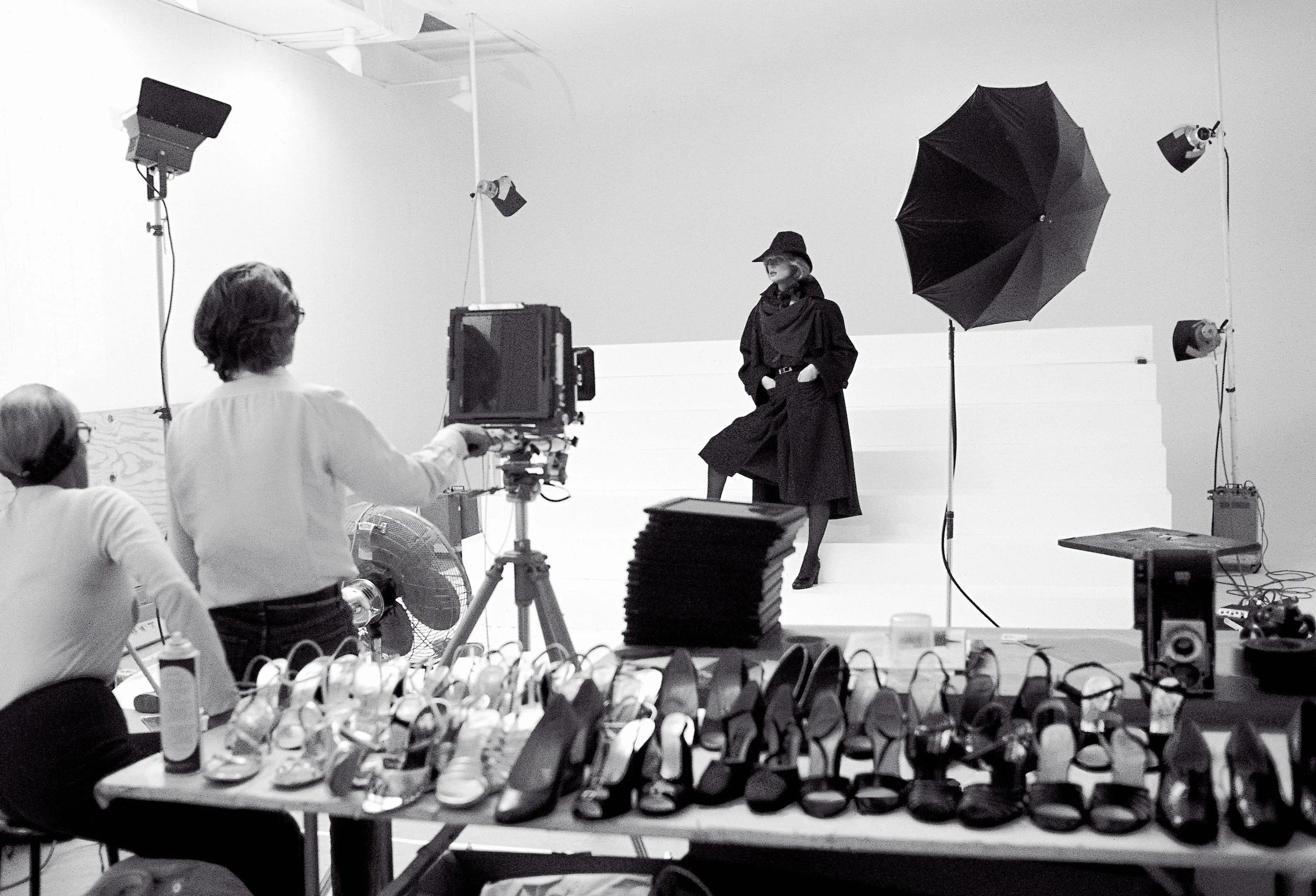
No publication builds a legacy on ink alone; this part of the story is built with eyes that chose to see the light of art. Vogue became the professional home of photographers such as Cecil Beaton, Irving Penn, and Helmut Newton, each one teaching the century a new way to look at a woman, a dress, a gesture caught in silver light. And when Diana Vreeland took the helm in the 1960s, she redefined the very silhouette the world found beautiful, electric with modernity.
Then came a name that needs no introduction in any language: Anna Wintour, whose footprint on Vogue remained lasting across the whole of the fashion industry. Under her watch, the runway and the street learned to speak to one another, haute couture worn beside denim, the sacred beside the ordinary, and somehow both made more beautiful for the meeting.
Vanity Fair: The Portrait Behind the Fabric
If Vogue taught the world to see fashion, Vanity Fair painted a visible world where fashion’s most vivid, most colorful souls could finally be seen. Born in 1913, folded quietly into Vogue during the hardship of the Depression in 1936, and then, like a phoenix that had simply been waiting for the right season, revived by Condé Nast in 1983, Vanity Fair became something rarer than a fashion magazine. It became a mirror held up to culture itself.
Where Vogue is the collection, Vanity Fair is the confession. Under editors such as Tina Brown, who took the magazine’s helm in 1984 following its Condé Nast relaunch, the magazine turned its lens toward the private lives behind the public glamour, forming close creative relationships with photographers such as Annie Leibovitz, Harry Benson, and Helmut Newton, whose portraits came to define the magazine’s identity. It was here that fashion stopped being only about the garment, and became about the myth wrapped around the person wearing it.
This is why a feature in Vanity Fair has always carried a different weight than any advertisement could. It has always been earned rather than arranged, a form of cultural knighthood bestowed by editors who hold only worth to be luminous, and who, for its sake, turn the very pages of the sky.

Two Mirrors, One Reflection
Together, these two publications did something no single fashion house could do alone: they built the vocabulary Europe’s luxury industry still speaks in today. Vogue gave the continent’s designers a stage broad enough for the whole world to watch. Vanity Fair gave them a soul, a verdict for which history dyes its own pages in color, so that the world of fabric might find a value forever green, long after the last stitch was sewn.
To this day, both remain part of the same lineage, the family of publications born under Condé Nast, which shaped not only what the world wore but what the world believed was worth wearing. Their authority was never manufactured. It was accumulated, issue by issue, portrait by portrait, decade by decade, until an editorial nod from either became a kind of proof: proof that a house, a designer, a name had crossed from merely excellent into unforgettable.
Why It Still Makes the Cover
In an age when visibility can be summoned overnight with nothing more than a click, one thing remains beyond purchase: recognition earned by a discerning eye, never manufactured by a budget. This is the silent legacy Vogue and Vanity Fair left to European fashion: the understanding that true luxury is not loud. It does not need to be. It waits patiently, dressed impeccably, for the right eyes to find it, the same eyes that once found Chanel in a Paris atelier, and never looked away.
To be seen by them was never simply to be seen; it was to be written, in ink, that fashion itself would not dare to erase.